The 2026 workshop on Generative and Agentic AI for Biology
Welcome to the 2026 workshop on Generative and Agentic AI for Biology! We are at a pivotal moment where AI is not only generating novel molecules and predicting biological structures, but also beginning to reason, plan, and act as autonomous agents in the scientific process. This workshop brings together leading researchers from machine learning, computational biology, and industry to explore both fronts — from the latest generative models for proteins, RNAs, and cells, to the emerging role of AI agents in experimental design and biological discovery. Join us for invited talks, a panel discussion, and conversations that span the full spectrum of AI-driven biology.
Stay tuned by following us on Twitter.
Overview
The 2024 Nobel Prize in Chemistry, awarded for AI-based protein structure prediction and protein design, underscored the transformative impact of machine learning on the life sciences. Generative AI models, including large language models, diffusion models, and foundation models for biological sequences and cells, have demonstrated remarkable success in modeling and designing biomolecules and biological systems. However, a new paradigm is emerging. Beyond generating biological sequences or structures, AI systems are beginning to act as agents: formulating hypotheses, planning experiments, interacting with tools and databases, and iteratively refining scientific strategies. This workshop aims to explore the future of AI for biology at the intersection of these two paradigms. Rather than focusing solely on incremental advances in generative modeling, we seek to engage the community in a deeper discussion about the conceptual and practical foundations of AI-driven biological discovery. Key questions include:
- Will agentic AI subsume generative models, or are they complementary components of future scientific systems?
- In what biological problems is agentic AI necessary?
- What architectures are required for AI systems that reason across molecules, cells, tissues, and organisms?
- How should we evaluate AI agents that participate in biological discovery?
- What is the role of human scientists in an era of AI-driven hypothesis generation and experimentation?
We aim to discuss these questions through invited talks, poster presentations, and panel discussions on the following topics:
- Generative models for biomolecule and therapeutic design.
- Agent-based systems for hypothesis generation, experimental planning, and closed-loop wet-lab integration.
- Foundation models and world models for multi-scale biology.
- Benchmarks and evaluation frameworks for autonomous scientific systems.
- Human-AI collaboration paradigms in biological research.
- Safety, governance, and ethical considerations of autonomous biological AI systems.
Schedule (UTC+9)
| Time | Session | Event | Presenter |
|---|---|---|---|
| 9:15 – 9:30 | Opening Remarks | ||
| 9:30 – 10:00 | Agents for Bio |
Invited Talk | James Zou (Stanford University) |
| 10:00 – 10:30 | Invited TalkPutting the Science Back in AI for Science | Samuel Stanton (Anthropic) | |
| 10:30 – 11:00 | Invited Talk | Joy Jiao (OpenAI) | |
| 11:00 – 11:30 | Invited TalkBoltz: Towards Accurate Biomolecular Modeling and Design | Jeremy Wohlwend (Boltz) | |
| 11:30 – 12:15 | Poster Session 1 Hall A | ||
| 12:15 – 13:00 | Lunch | ||
| 13:00 – 13:30 | GenAI for Bio |
Invited Talk | Martin Steinegger (Seoul National University) |
| 13:30 – 14:00 | Invited TalkGenomic Language Modeling for Context-Aware Biological Discovery | Yunha Hwang (MIT) | |
| 14:00 – 14:45 |
Contributed Talks
|
||
| 14:45 – 15:30 | Poster Session 2 Hall A | ||
| 15:30 – 16:00 | GenAI for Bio |
Invited TalkEngineering cell state using artificial intelligence | Yusuf Roohani (Arc Institute) |
| 16:00 – 17:00 | Panel Discussion | Anthony Costa (NVIDIA), Pranam Chatterjee (Penn), Shuangjia Zheng (SJTU), Masatoshi Uehara (OpenAI), Samuel Stanton (Anthropic) | |
| 17:00 – 17:10 | Award Ceremony | ||
Important Dates
All deadlines are 11:59 pm UTC -12h ("Anywhere on Earth"). All authors must have an OpenReview profile when submitting. If you do not have one, please create your profile early — profiles without an institutional email can take up to two weeks to be approved.
- Submission Deadline:
May 1, 2026May 8, 2026 - Author Notification:
May 21, 2026May 25, 2026 - Camera Ready Deadline:
June 4, 2026June 26, 2026 - Workshop Date: July 10, 2026 (Friday)
The workshop will be held on July 10, 2026 (Friday) at the COEX Convention & Exhibition Center, Hall D2, Seoul, South Korea.
Submission Instructions
The workshop is non-archival. All submissions are managed through OpenReview. Please submit your paper via our OpenReview portal (submissions are now open). Submissions can be either short papers (up to 4 pages) or long papers (up to 9 pages), excluding references and appendices, using our LaTeX template. All submissions must be anonymous for double-blind review. We welcome ongoing work with intermediate results to foster discussion at the workshop.
Accepted papers will be presented as posters during the poster sessions. Selected works will also be highlighted as Spotlight talks.

The Best Academic Papers (two) will be awarded one DGX Spark each. We thank NVIDIA for their generous support.
Poster Information
Workshop posters must be in portrait format with dimensions 36 in (H) × 24 in (W) (or 91 cm (H) × 61 cm (W)).
Note: this differs from the ICML main conference poster size.
Speakers & Panelists
Prof.
James Zou
Stanford University
Joy Jiao
OpenAI
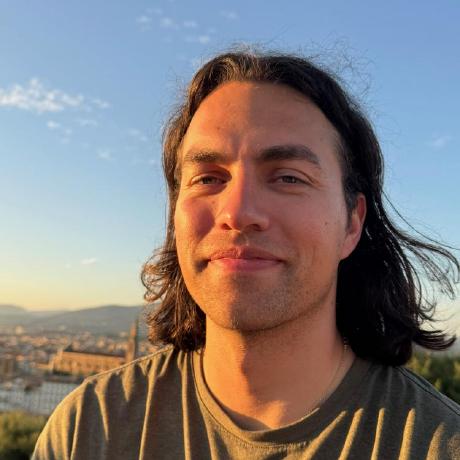
Samuel Stanton
Anthropic
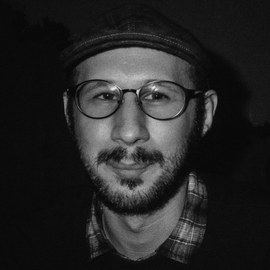
Prof.
Martin Steinegger
Seoul National University
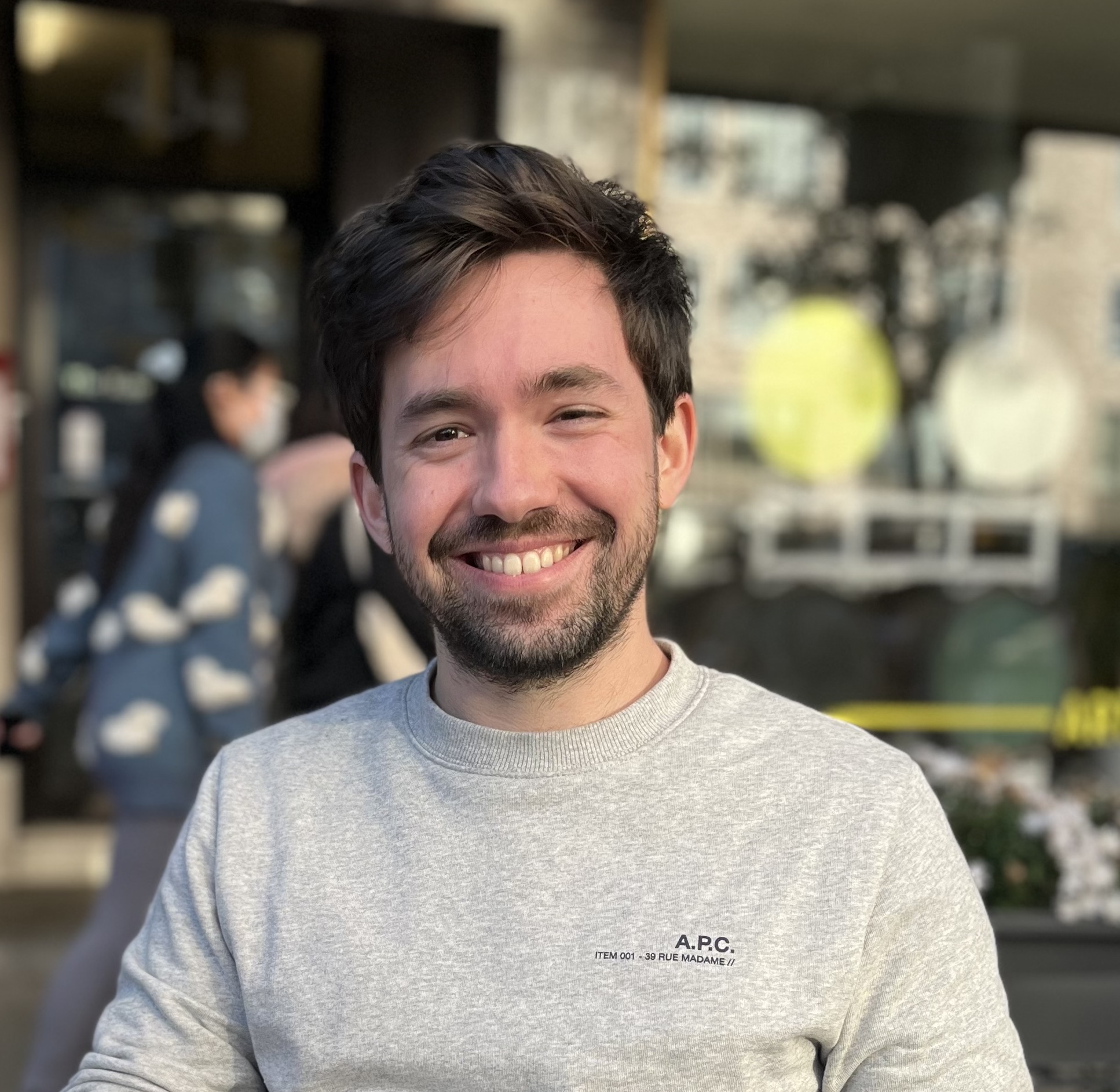
Jeremy Wohlwend
Boltz
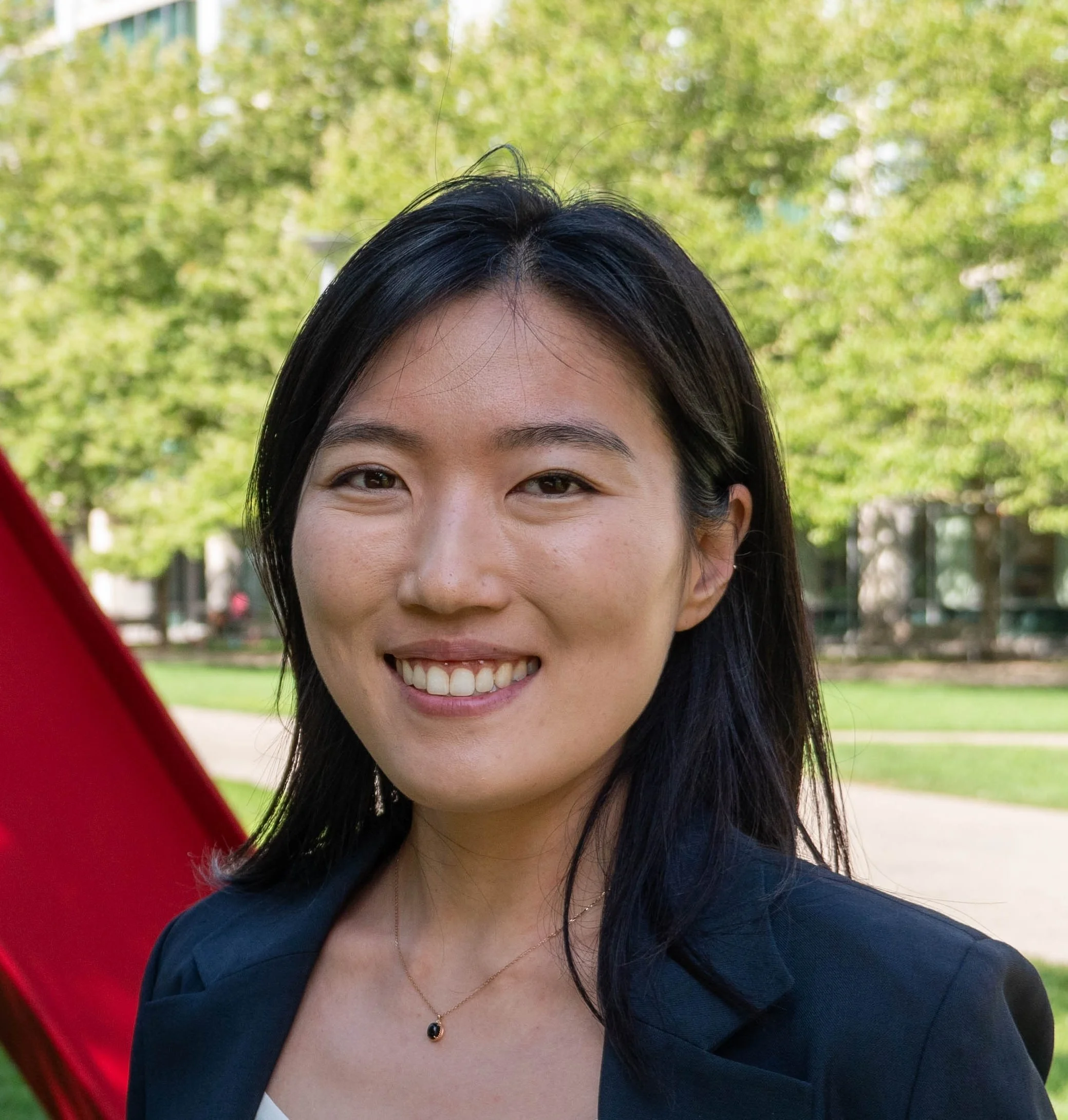
Yunha Hwang
MIT
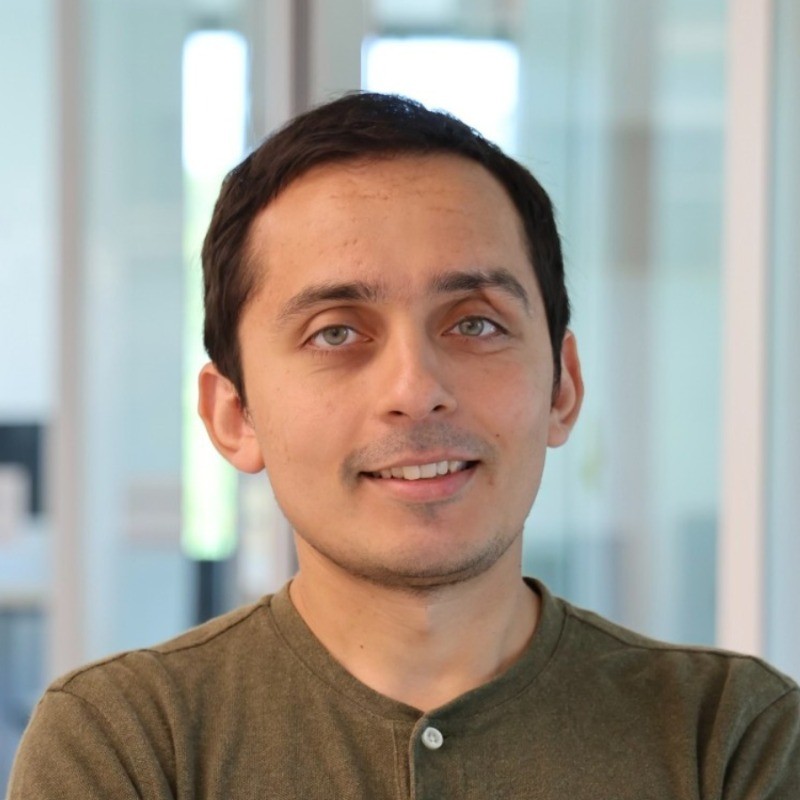
Yusuf Roohani
Arc Institute
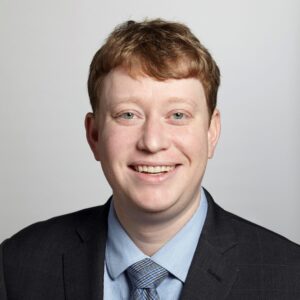
Anthony Costa
NVIDIA
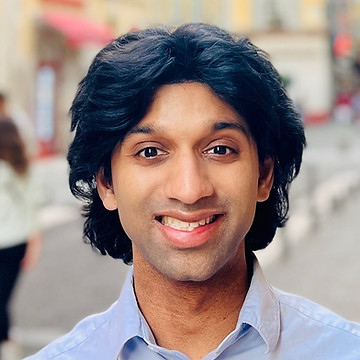
Pranam Chatterjee
Penn
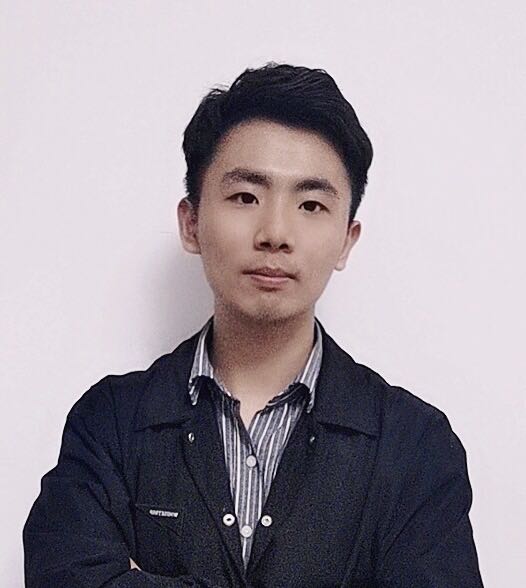
Shuangjia Zheng
SJTU
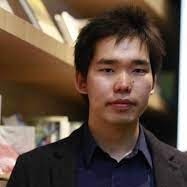
Masatoshi Uehara
OpenAI
Organizers
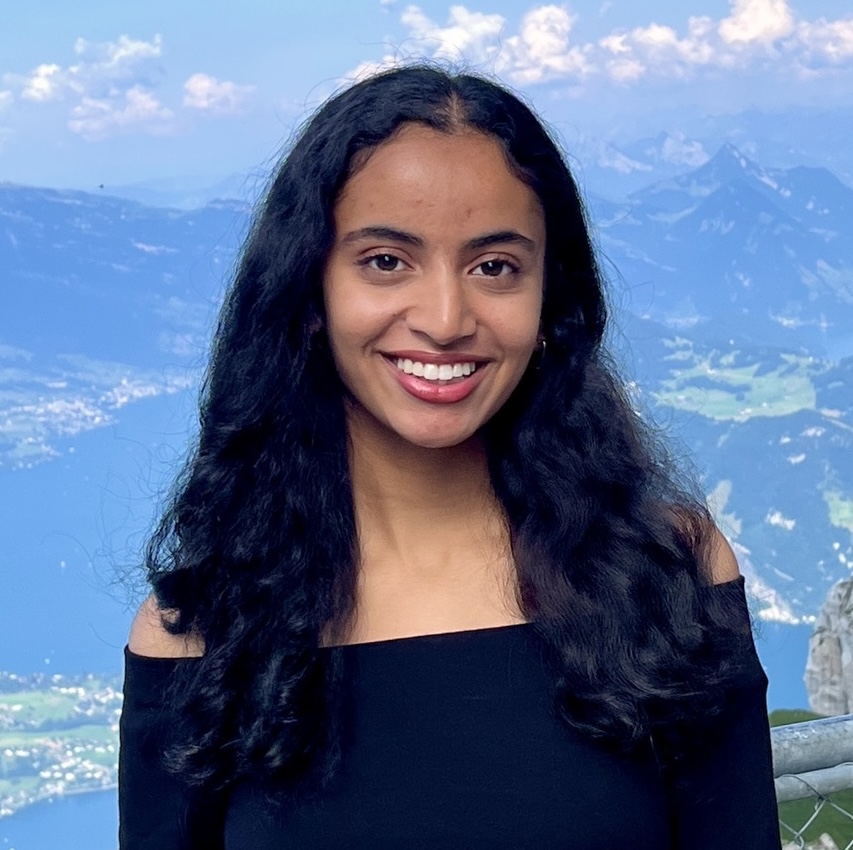
Divya Nori
Stanford
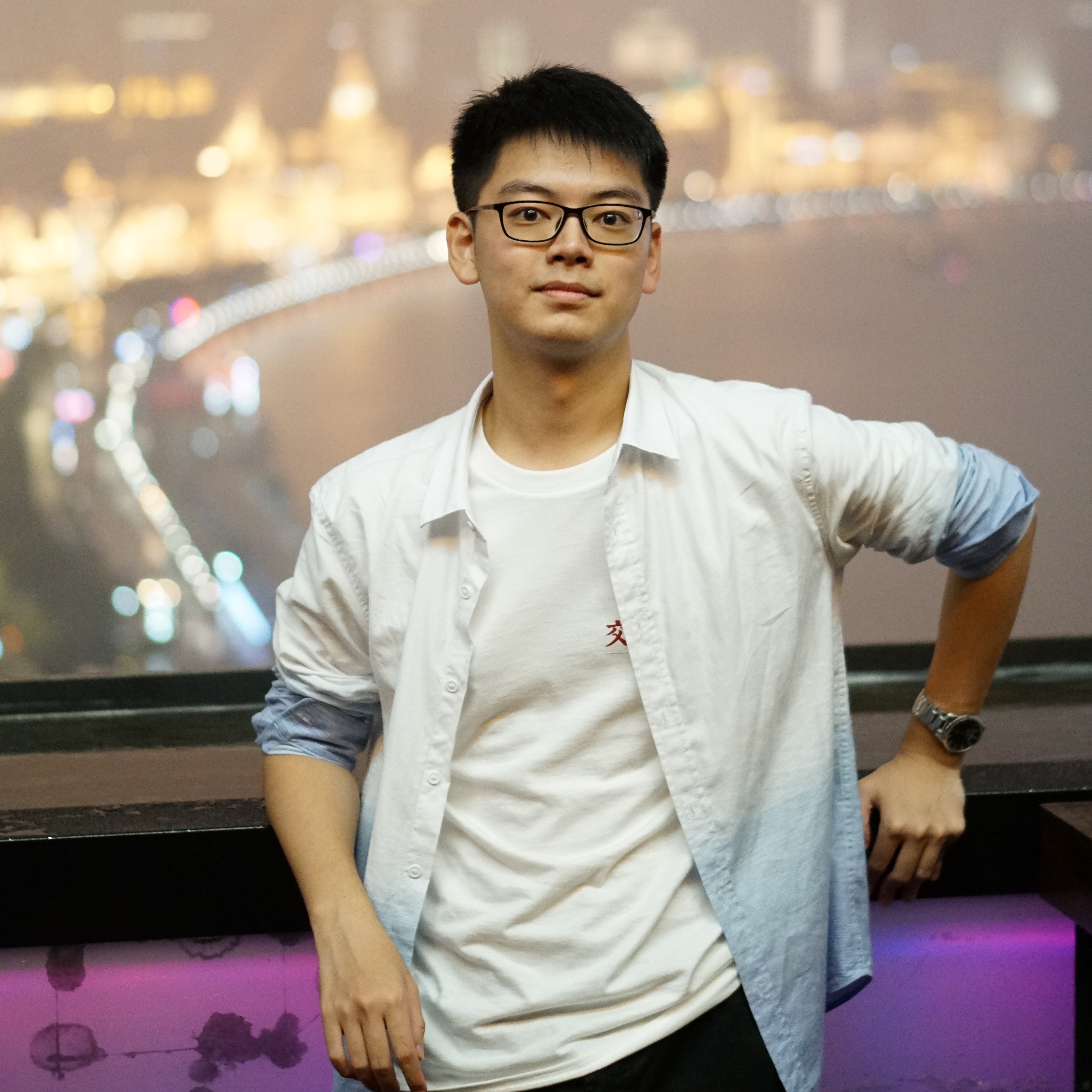
Minkai Xu
Google DeepMind
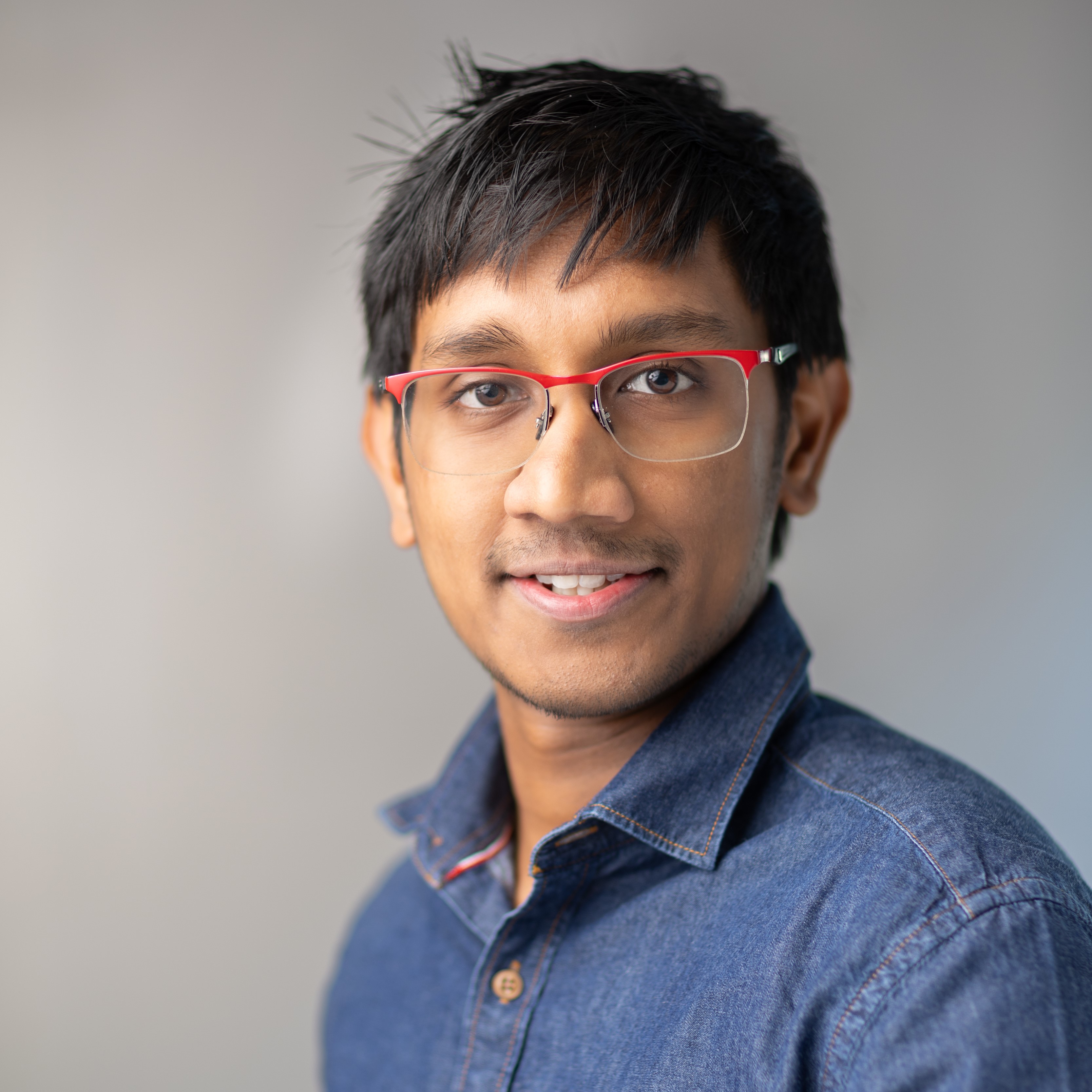
Ramith Hettiarachchi
CMU-Pitt

Seonghwan Seo
KAIST
Tianyu Liu
Alibaba International
Yuwei Yang
NVIDIA
Prof.
Aditi S. Krishnapriyan
UC Berkeley
Prof.
Christian Dallago
Duke University / NVIDIA
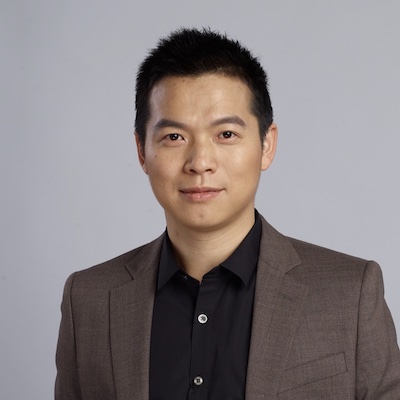
Prof.
Lei Li
CMU
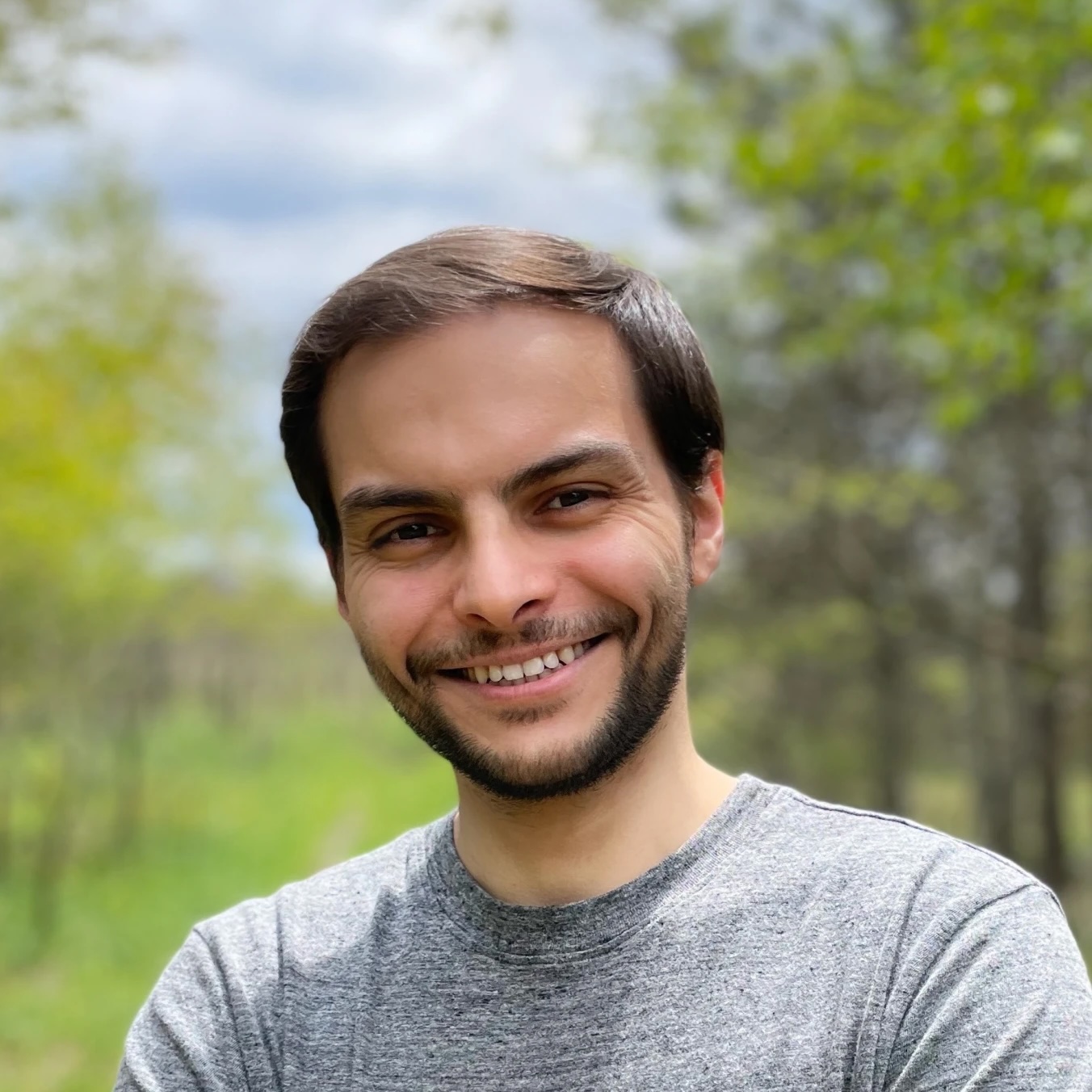
Dr.
Maruan Al-Shedivat
Genesis Therapeutics
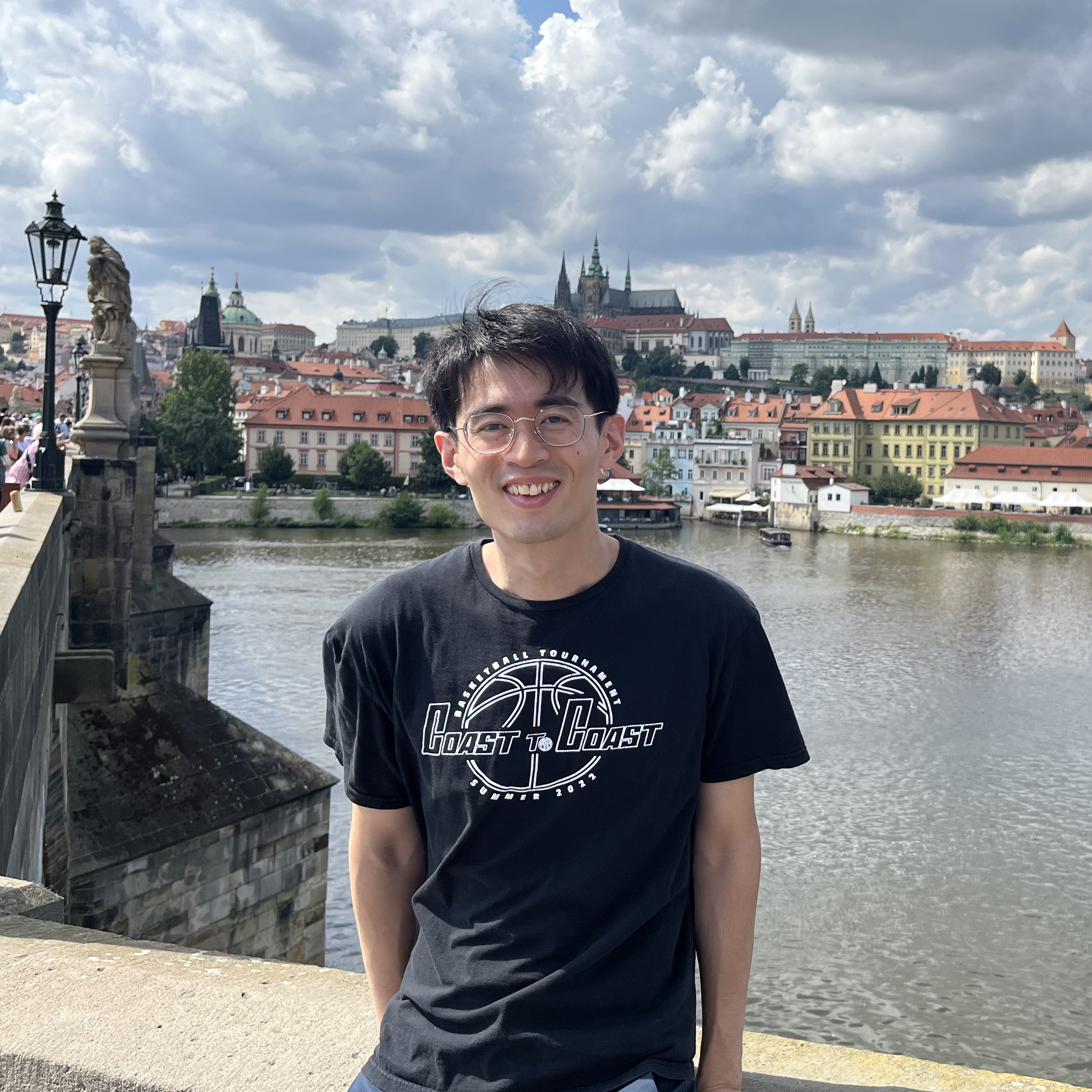
Prof.
Wengong Jin
Northeastern University
Sponsors